
Why Random Steps Are Silently Killing Your Future
In today’s fast-paced world, constant activity often masquerades as progress.
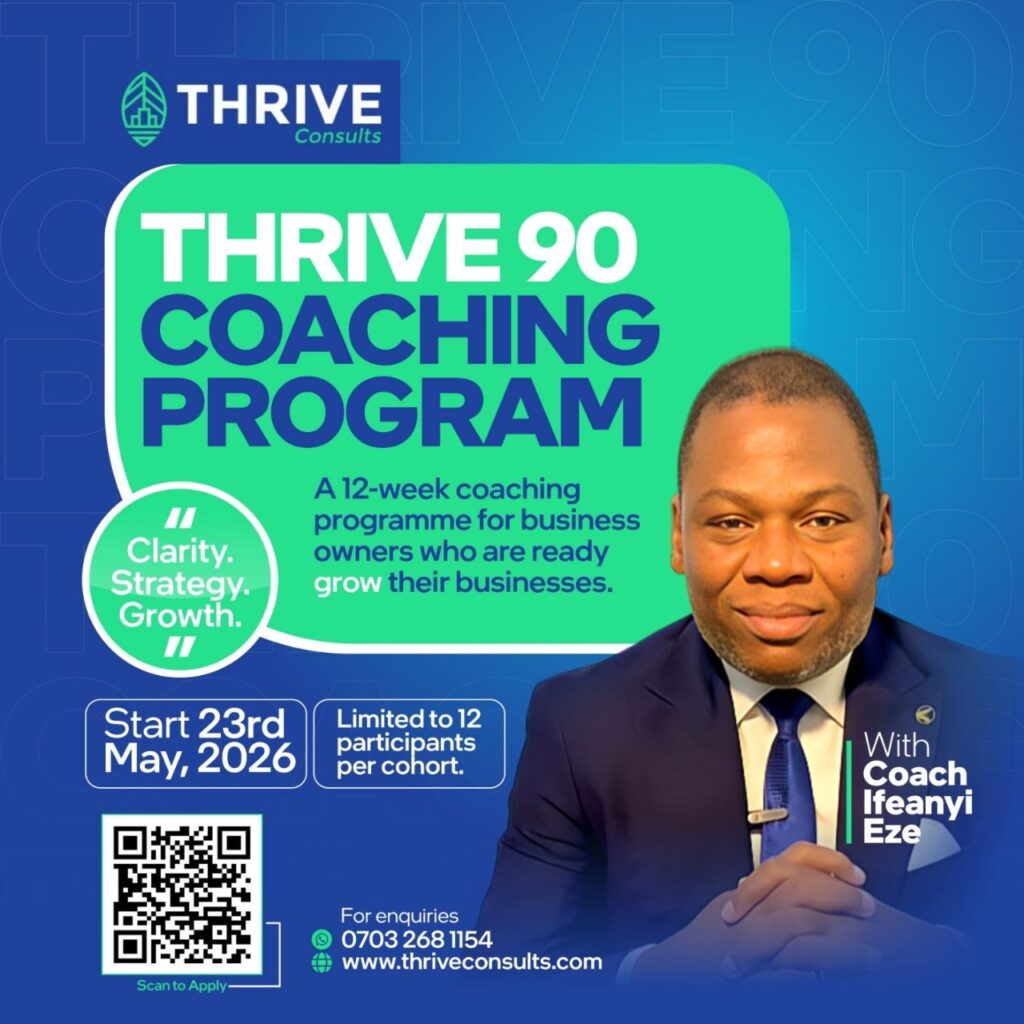
Coach Ifeanyi Eze’s powerful quote cuts through the noise: “Most ‘10-year plans’ are just procrastination with a fancy name.”
The truth is harsh but liberating. Many people are simply taking random steps.
What Are Random Steps?
Random steps are actions taken without a clear target, measurable outcome, or strategic direction. They create the illusion of productivity while producing minimal real advancement.
You stay busy, reading books, attending events, posting online, or jumping between opportunities, yet make little tangible progress toward your dreams.
Here are six ways to understand random steps:
(1). Actions Without a Defined Target
You engage in activities that feel productive but aren’t linked to any specific destination.
Reading business books without implementation or networking without clear goals are classic examples.
(2). Procrastination in Disguise
Long-term plans become sophisticated excuses to avoid hard, immediate action. Creating vision boards and detailed spreadsheets feels inspiring, but without execution, they’re just emotional comfort.
(3). Lack of Outcome-Based Thinking
(4). Motion Without Progress
Random steps involve staying perpetually busy — answering emails, attending meetings, scrolling productivity content — while making no measurable headway on your biggest goals. You’re moving, but not forward.
(5). Scattered Energy and Divided Focus
Jumping from one opportunity to another (new course, new niche, new social platform) without mastering any. This diffusion of energy prevents depth, mastery, or compounding results.
(6). Following Trends or External Noise
Chasing whatever is popular, what others are succeeding with, or the latest “hot tip” instead of aligning actions with your unique goals, strengths, and timeline. It’s reactive living instead of intentional design.
Practical Implementation Steps

(1). Define Your Primary Outcome
Spend 30–60 minutes answering: “What is the single most important result I want to achieve in the next 12–24 months?” Make it specific, measurable, and time-bound.
Example: “Build a business generating $100,000 monthly profit by December 2027” instead of “Be successful.”
(2). Reverse-Engineer Key Milestones
Break your big outcome into 3–5 major milestones.
Ask: “What must be true 6 months from now for me to be on track?” Then 12 months, and so on. This creates a clear roadmap.
(3). Filter Daily & Weekly Activities
For every task on your list, ask: “Will this directly move me closer to my defined outcome?” If the answer is unclear or “maybe,” remove, delegate, or redesign it. Replace random steps with high-impact actions only.
(4). Create a Focused Action System
Block 2–3 hours daily for Deep Work on your top outcome.
Use a simple weekly planner. Sunday evening, list the 3–5 actions that will produce the biggest progress that week.
Track leading indicators (e.g., number of sales calls, words written, clients reached) rather than just lagging results.
(5). Review, Adjust, and Eliminate Ruthlessly
Conduct a weekly 15-minute review every Friday: What worked? What didn’t? What random steps did I take that I need to cut? Adjust your plan based on real results. Be willing to kill good but irrelevant activities.
The Power of Purposeful Action
Stopping random steps is not about doing less — it’s about doing what matters.
When you define the outcome your activities should produce, decision-making becomes easier, motivation strengthens, and progress accelerates.
Start small this week. Choose one major outcome, apply the five steps above, and watch how your days transform from busy to intentional.
Success is not built on good intentions or fancy 10-year plans. It is built on consistent, targeted, outcome-driven action.
Stop wandering. Choose your target. Move with purpose!
Outline the seps you will take this week and share with me at the comment section.



I’m beginning to align again.
making a thousand dollar is possible again.
I’m waiting for the production machine to arrive towards end of the year.
now I have come to understand that installation of machine won’t be enough to get me my desired income,but the sales and marketing strategies ( system)
SUCCESS will never be a place of rest!
I’m beginning to align again.
making a thousand dollar is possible again.
I’m waiting for the production machine to arrive towards end of the year.
now I have come to understand that installation of machine won’t be enough to get me my desired income,but the sales and marketing strategies ( system)
SUCCESS will never be a place of rest!
Thank you sir